Shipping from China to the United Kingdom requires coordinated multimodal logistics, customs-compliant processes, and seamless integration with major UK ports and inland transport networks. With support from TJ Freight, businesses gain structured freight solutions offering predictable transit, secure cargo handling, and full visibility from origin to final delivery. From export preparation in China to customs processing and distribution across London, Birmingham, Manchester, Liverpool, and key industrial hubs, every shipment is managed efficiently and professionally.
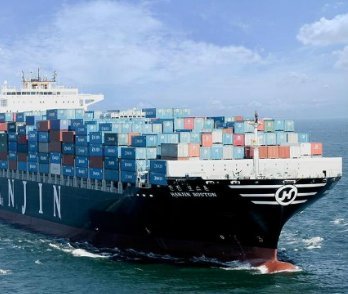
TJ Freight provides dependable FCL and LCL ocean freight via major UK ports including Felixstowe, Southampton, and London Gateway, as well as alternative EU ports when beneficial. We manage container loading, export documentation, sailing schedules, and inland trucking to ensure cost-effective and reliable maritime logistics.
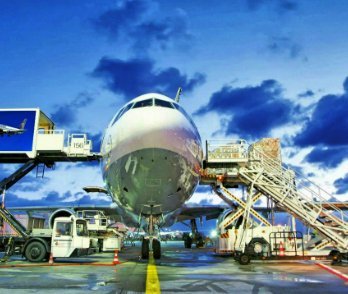
For urgent or high-value shipments, air freight into London Heathrow, Manchester, or Birmingham airports provides fast and secure delivery. TJ Freight manages export compliance, flight routing, and cargo handling to meet time-sensitive import requirements.

TJ Freight offers rail freight solutions from China to the UK via the China–Europe rail network. Cargo transits through EU rail hubs such as Duisburg or Rotterdam before onward shipment to the UK via intermodal routes. We handle export compliance, customs documentation, and intermodal coordination to provide a cost-efficient, timely, and secure delivery solution.

Our FCL service provides dedicated container transport for large shipments. TJ Freight supervises container loading in China, ensuring proper fastening, weight balance, and compliance with international standards. Cargo enters via UK or EU ports before inland delivery. Structured documentation and milestone tracking support industries including electronics, machinery, consumer goods, textiles, and industrial materials.
For smaller or multi-supplier shipments, LCL offers flexibility and cost efficiency. TJ Freight manages consolidation, palletizing, labeling, and structured cargo separation. We coordinate ocean schedules, customs procedures, and final delivery into UK distribution networks. Real-time tracking ensures smooth inventory flow for wholesalers, retailers, and e-commerce operators.
Organized supplier pickup in China with reliable delivery across the UK.
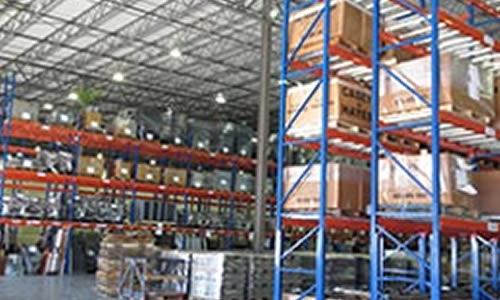
Secure EU-standard warehousing for staging, consolidation, and storage.
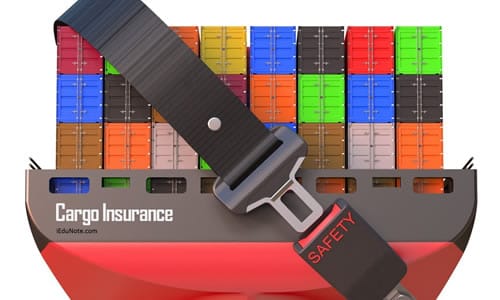
Coverage suitable for long-distance, multimodal, and high-value shipments.

Accurate export documentation and full UK customs compliance support.
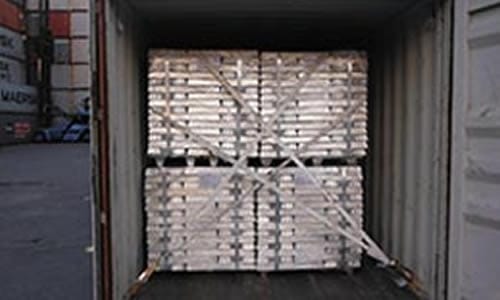
On-site supervision ensuring proper packaging, labeling, and container safety.
The quickest shipping options from China to the UK include express air freight services and courier services. Companies like DHL, FedEx, and UPS offer expedited delivery, often taking 3 to 5 days. For urgent shipments, using air cargo with priority services can significantly reduce transit times, though costs are higher compared to standard shipping methods.
Sea freight is generally more cost-effective than air freight for shipments from China to the UK. While sea freight costs less per kilogram and is ideal for large or heavy shipments, it takes significantly longer, typically 25 to 40 days. Air freight, though faster (5 to 10 days), is more expensive due to higher operational costs and priority handling.
Shipping time from China to the UK is influenced by several factors including the mode of transport (air or sea), the specific route taken, customs processing times, and potential delays due to weather conditions or port congestion. Additionally, the efficiency of the chosen freight forwarder and any additional handling requirements can impact overall delivery times.
Customs procedures can significantly impact shipping times by causing delays during clearance. If documentation is incomplete or incorrect, or if there are issues with compliance, shipments may be held up for inspection or additional paperwork. Efficient handling of customs documentation and adherence to regulations can help minimize these delays.
Express services from China to the UK typically deliver within 3 to 5 days. These services, offered by major carriers like DHL, FedEx, and UPS, prioritize speed and often use air transport to ensure quick delivery. The exact time can vary based on the specific service level and any additional handling requirements.
Yes, shipping time can be expedited by using express air freight services or courier options, which prioritize faster transit. Companies like DHL, FedEx, and UPS offer expedited shipping that reduces delivery time to 3 to 5 days. For extremely urgent shipments, specialized services may further expedite the process.
The shipping method plays a crucial role in determining delivery time. Air freight offers the fastest transit, typically 5 to 10 days, while sea freight is slower, generally taking 25 to 40 days. Express services can further shorten delivery time but at a higher cost. The choice of shipping method depends on urgency and budget.
Holidays and peak seasons can impact shipping times by causing delays due to increased shipping volumes and heightened demand. During these periods, ports and airports may experience congestion, and shipping carriers might face longer processing times. Planning shipments well in advance and considering peak season impacts can help manage delays.
Weather conditions can affect shipping times by causing delays in both air and sea transport. Severe weather such as storms, heavy rain, or fog can disrupt flights, affect port operations, and delay cargo handling. Monitoring weather forecasts and allowing for potential delays can help mitigate the impact of adverse weather on shipping schedules.
Tracking a shipment from China to the UK can be done through tracking numbers provided by freight forwarders or carriers. Most shipping companies offer online tracking tools on their websites or apps, allowing you to monitor the shipment's progress in real-time. Regular updates can help you stay informed about the status and location of your shipment.
Operations deal with the way the vehicles are operated, and the procedures set for this purpose, and policies. In the transport industry, operat ions and ownership of infrastructure can be either country.