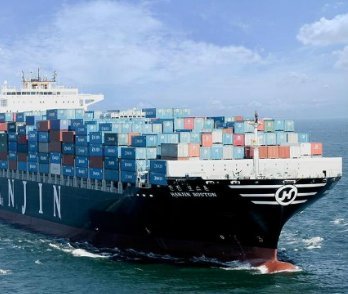
Due to current maritime limitations, sea freight is typically routed through alternative EU ports such as Gdansk, Constanta, Varna, or Klaipeda. TJ Freight manages FCL/LCL container loading, export documentation, vessel scheduling, transshipment, and inland transport to Ukraine, ensuring a secure and efficient ocean-based solution.

Air freight remains a reliable option for urgent or high-value shipments. Cargo often transits through major airports such as Warsaw, Bucharest, or other EU hubs before being delivered into Ukraine. TJ Freight manages export compliance, routing, handling procedures, and final-mile delivery to support time-sensitive needs.

Although direct routes vary, rail freight continues to serve as a viable mid-speed solution. Cargo typically enters Europe via Poland, Slovakia, or Hungary before continuing by road into Ukraine. TJ Freight arranges rail booking, customs documentation, and cross-border delivery, providing a balanced option for predictable and cost-efficient transit.
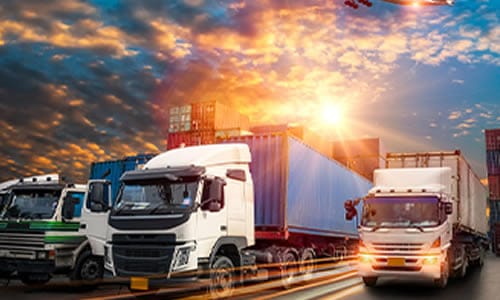
Our FCL service is designed for secure, long-distance transport requiring dedicated container space. TJ Freight supervises loading in China, ensuring proper securing, weight balance, and compliance with international standards. Containers move through alternative EU ports before continuing overland to Ukraine. With full documentation control, milestone tracking, and professional coordination, this service supports key sectors such as machinery, consumer goods, electronics, and industrial materials.
Coordinated supplier pickup in China with reliable cross-border delivery into Ukraine.
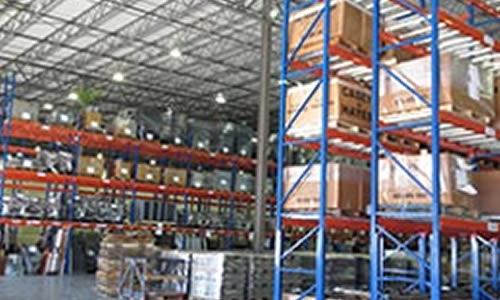
Secure EU-based warehousing for consolidation, staging, and storage.
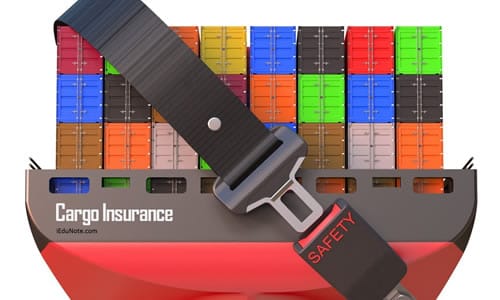
Protection designed for long-distance, multi-leg transport.

Accurate export documentation and advisory for multi-country customs processes.
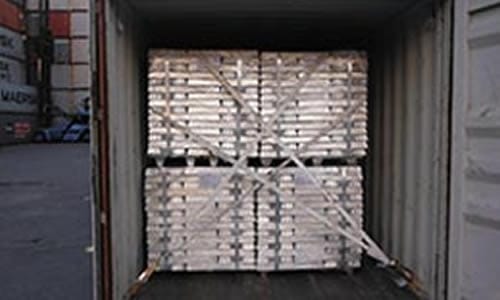
Professional supervision ensuring correct packaging, labeling, and container safety.

When selecting a freight forwarder, consider their reliability, experience, and reputation. Check their compliance with regulations, safety protocols, and customer reviews. Additionally, evaluate their range of services, technology for tracking shipments, and cost-effectiveness. It's crucial to choose a forwarder that aligns with your shipping needs and offers excellent customer support.
Efficient packaging reduces shipping costs by minimizing weight and volume. Using lightweight materials and compact designs decreases the overall shipping expense. Additionally, proper packaging protects goods from damage, reducing the need for costly replacements or returns. Investing in quality packaging solutions ensures safe and cost-effective transportation.
Consolidating shipments into larger ones can significantly lower shipping costs by taking advantage of bulk shipping rates. This approach reduces the number of individual shipments, decreasing overall transportation expenses. Additionally, it simplifies logistics, improves efficiency, and minimizes the environmental impact by reducing the carbon footprint.
Negotiating with carriers for long-term contracts can secure better rates and volume discounts. Establishing a strong partnership and demonstrating loyalty can lead to favorable terms, including lower shipping costs and priority service. Regular negotiations and building a good relationship with carriers ensure continuous cost savings.
Technology, such as advanced tracking and management systems, enhances shipping efficiency by providing real-time updates and optimizing routes. These systems help to monitor shipments, reduce delays, and streamline operations. Implementing technology in logistics ensures timely delivery, improves accuracy, and enhances overall efficiency.
Sustainable practices, such as using eco-friendly packaging and efficient shipping methods, reduce costs and enhance efficiency. Implementing sustainable solutions minimizes waste, conserves resources, and lowers transportation expenses. Additionally, sustainability can attract environmentally-conscious customers and improve the company's reputation.
Outsourcing logistics to third-party providers offers cost-effective and efficient shipping solutions. These providers specialize in logistics, offering expertise, technology, and resources that improve efficiency. Outsourcing allows businesses to focus on core activities, reduces operational costs, and ensures reliable and timely delivery of goods.
Planning efficient shipping routes avoids unnecessary stops and delays, reducing fuel consumption and transportation time. Efficient routing optimizes delivery schedules, lowers operational costs, and enhances overall shipping efficiency. Careful route planning ensures timely delivery and cost-effective transportation.
Continuous improvement in shipping practices identifies areas for optimization and cost savings. Regular reviews and feedback help to enhance efficiency, reduce risks, and streamline operations. By constantly evaluating and improving processes, businesses can achieve higher efficiency, lower costs, and better customer satisfaction.
Operations deal with the way the vehicles are operated, and the procedures set for this purpose, and policies. In the transport industry, operat ions and ownership of infrastructure can be either country.