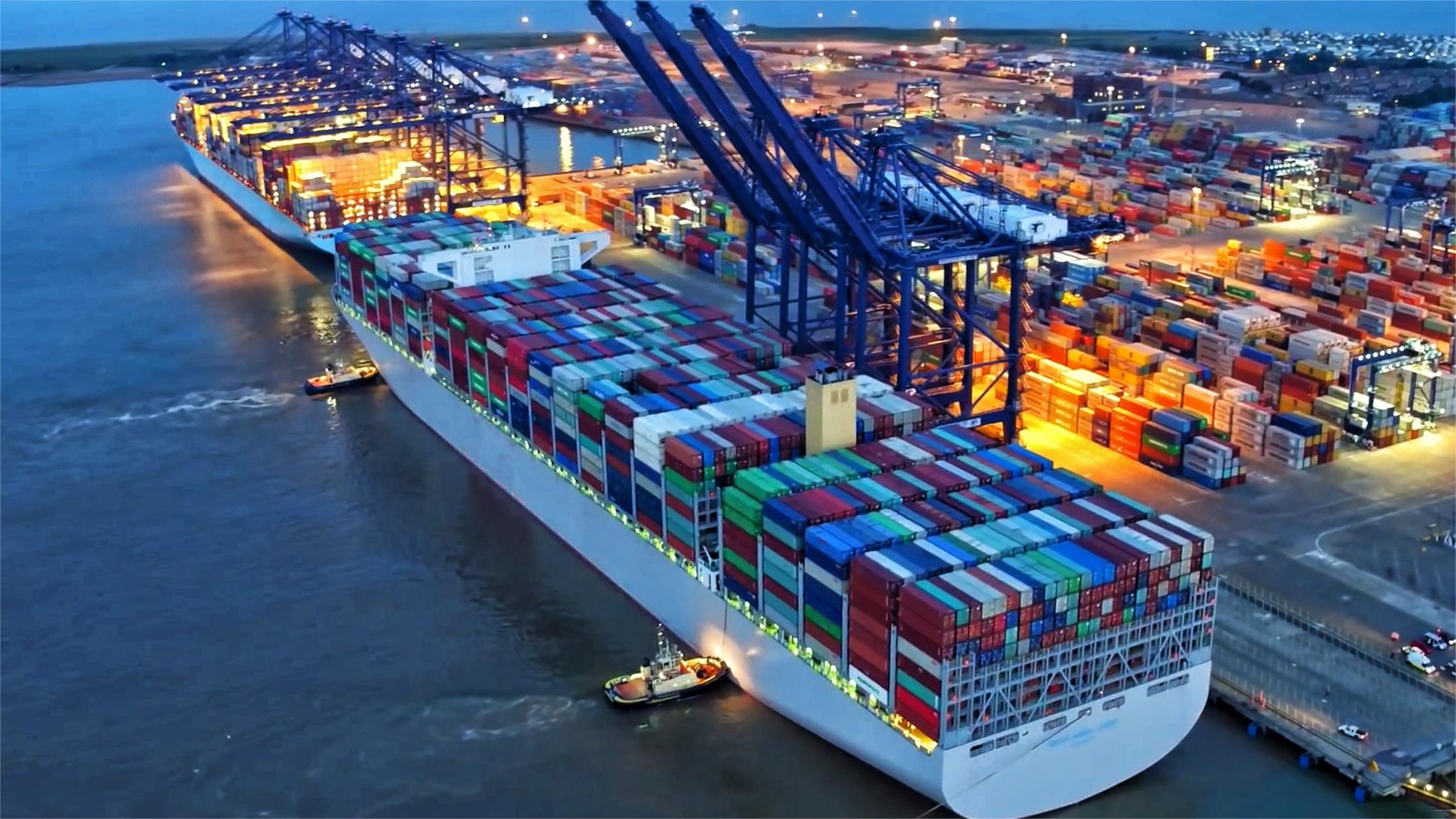
TJ Freight provides dependable FCL and LCL sea freight services entering Uruguay primarily through the Port of Montevideo, one of the most efficient hubs in South America. We manage container loading, export documentation, route selection, and sailing coordination to ensure smooth and consistent arrival for Uruguay-bound shipments.

For urgent or high-value shipments, our air freight service delivers fast and controlled transport into Montevideo’s international airport. TJ Freight handles export compliance, cargo inspection, flight routing, and transit monitoring to maintain secure and timely delivery.
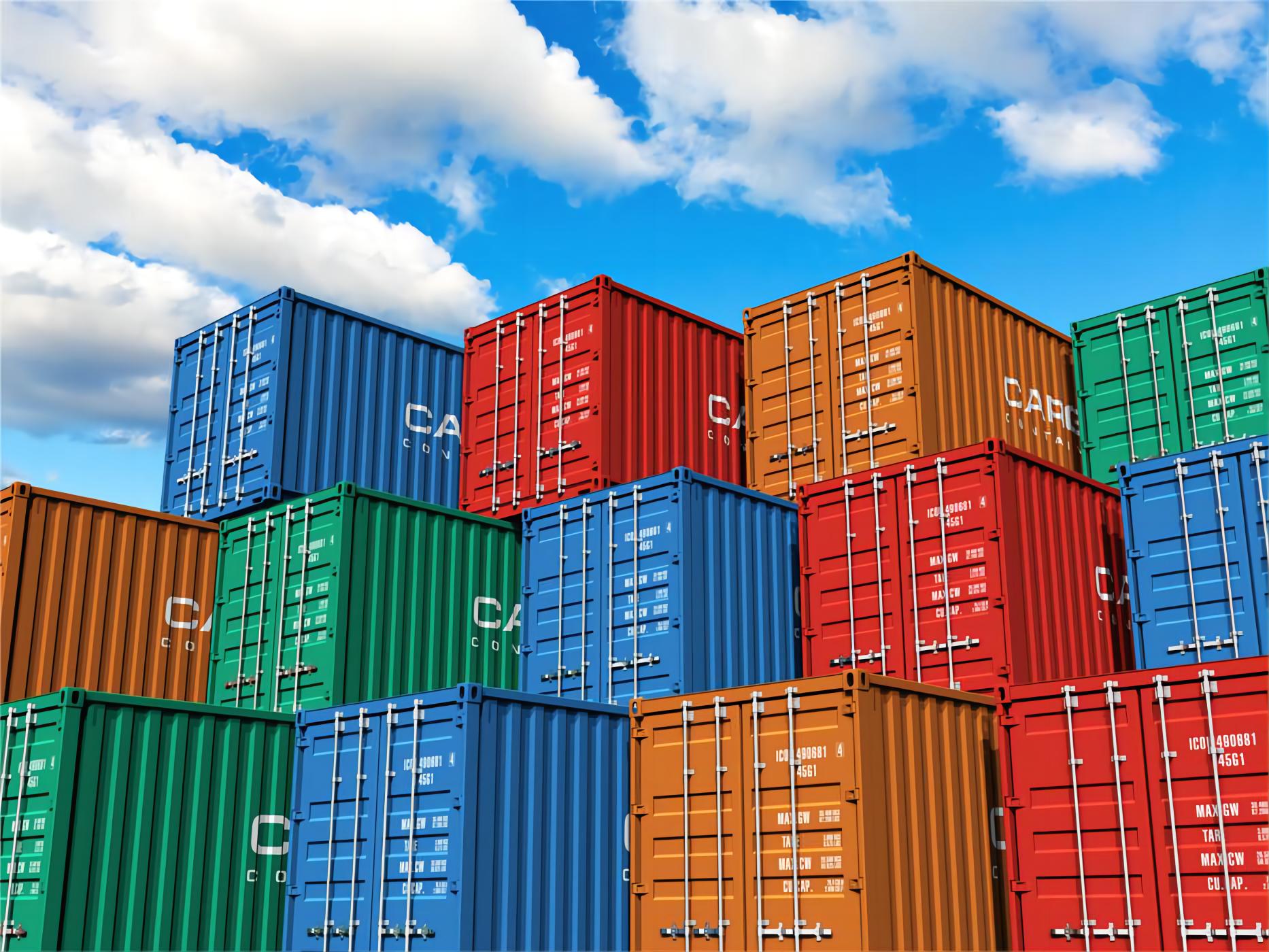
Our door-to-door service combines pickup, export paperwork, international transport, customs guidance, and final inland delivery. With both DDP and DDU options, TJ Freight offers a simplified logistics solution for businesses shipping directly into Uruguay’s commercial and industrial zones.

Our FCL service is ideal for medium to large shipments requiring exclusive container use, enhanced cargo protection, and reliable long-distance routing across Pacific–Atlantic connections. TJ Freight supervises container loading in China, ensuring secure fastening, proper weight distribution, and adherence to international standards. We evaluate carrier performance, voyage duration, and Montevideo port dynamics to support predictable delivery schedules. Through proactive tracking, structured documentation handling, and responsive communication, our FCL solution strengthens supply chain stability for Uruguay’s retail, agricultural, industrial, and manufacturing sectors.
For smaller shipments or multi-supplier sourcing, our LCL service offers flexible and cost-efficient transportation with strict handling oversight. TJ Freight manages receiving, inspection, palletizing, labeling, and organized separation within consolidation hubs. We coordinate sailing frequencies, transshipment options, and documentation accuracy to reduce delays along the China–Uruguay route. With clear visibility and steady updates, our LCL solution supports reliable inventory flow for distributors, wholesalers, and businesses across Uruguay.
Pickup across China’s major industrial zones with structured delivery throughout Uruguay.
Secure consolidation and storage suitable for multi-supplier shipments.
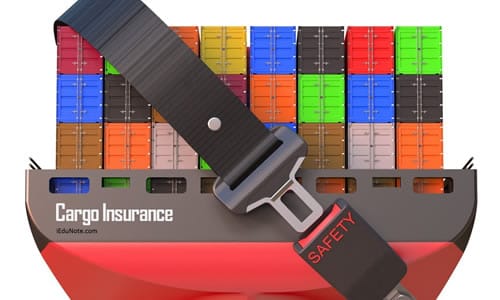
Protection designed for long-distance transport and high-value cargo.

Accurate export documentation and guidance for Uruguay’s streamlined customs systems.
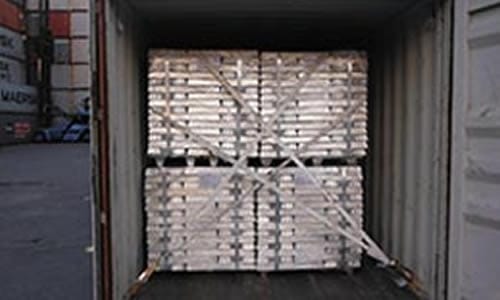
Verification of packing quality, labeling, and container readiness.
Uruguay imports machinery, electronics, automotive parts, and consumer goods (e.g., appliances, textiles). Chinese electric vehicles (e.g., BYD, Geely) and solar panels are gaining market share, driven by Uruguay’s renewable energy goals.
All shipments require commercial invoices, packing lists, and certificates of origin. For agricultural products, phytosanitary certificates are mandatory. Partner with a logistics provider familiar with Mercosur regulations (e.g., CE marking for electronics) to streamline clearance.
Uruguay applies Mercosur’s Common External Tariff (CET), averaging 11–14%. VAT is 22% on most goods. Use DDP (Delivered Duty Paid) services to pre-pay taxes and avoid delays.
Yes, but require MSDS reports for hazardous materials (e.g., EV batteries). Pharmaceuticals need temperature-controlled cold chain logistics (2–8°C) and Uruguay’s ANMAT approval.
Reverse logistics via Argentina is standard. Work with providers offering 72-hour damage claims and local storage in Montevideo for quick replacements.
Uruguay’s e-commerce growth (15% CAGR) demands efficient parcel services. Partner with providers offering last-mile delivery to cities like Punta del Este and Montevideo’s suburbs.
Leverage Uruguay as a Mercosur gateway. Invest in bonded warehouses in Montevideo for duty-free storage, and collaborate with local distributors for compliance (e.g., ANCAP vehicle homologation).
Leading firms like China Top Forwarder offer end-to-end solutions, including customs brokerage, VAT optimization, and bilingual support. They specialize in oversized cargo (e.g., construction machinery) and fragile goods (e.g., solar panels).
Operations deal with the way the vehicles are operated, and the procedures set for this purpose, and policies. In the transport industry, operat ions and ownership of infrastructure can be either country.